Your consumer unit, often referred to as a fuse board or fuse box, is one of the most important parts of your home’s electrical installation.
It distributes electricity around the property and contains the protective devices designed to disconnect the supply if a fault occurs.
Many homes around Banbury, Brackley and the surrounding areas still have older consumer units that may have been perfectly acceptable when they were installed. An older consumer unit does not automatically mean that your electrical installation is unsafe, and it does not necessarily mean that it will fail an Electrical Installation Condition Report (EICR).
However, electrical installations and the equipment we use in our homes have changed considerably over the years. In some cases, upgrading an older consumer unit or fuse board can provide a significant improvement in protection, convenience and reliability.
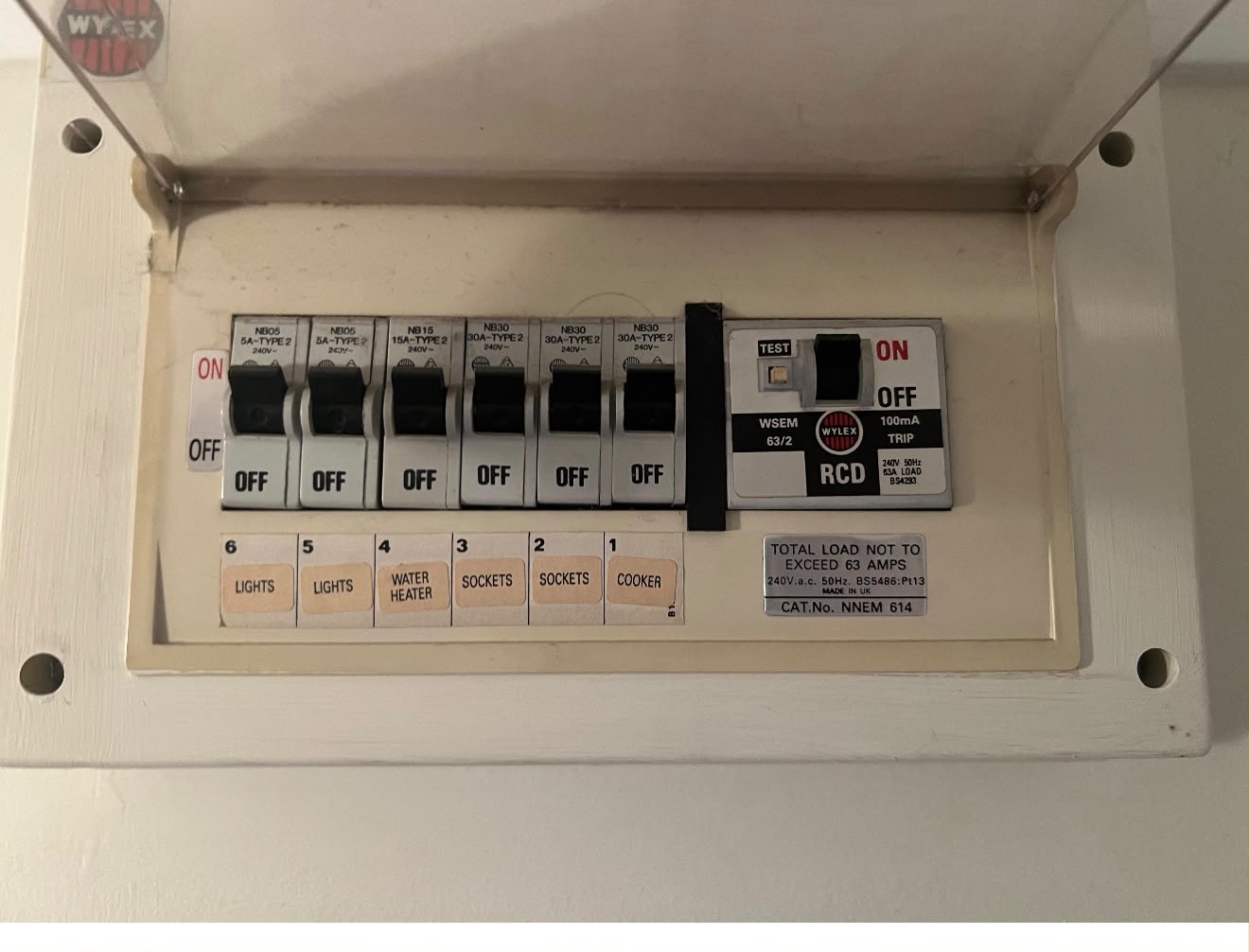
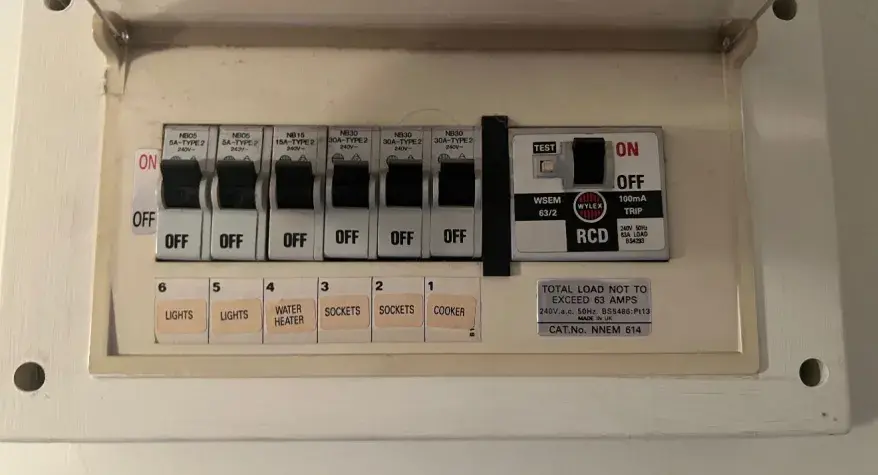
See photos below for examples of outdated consumer units and fuse boards that we commonly come across during electrical inspections and testing.
You Still Have an Old Fuse Board
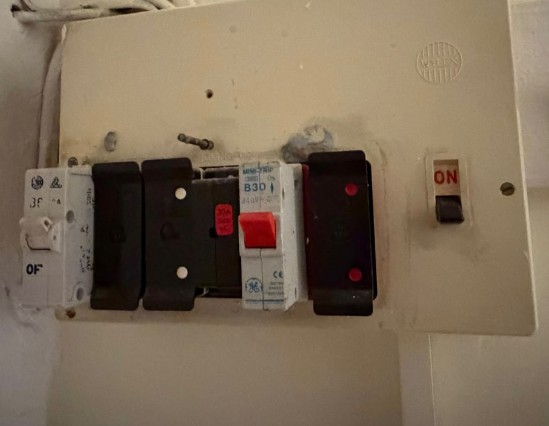
Some older properties still have consumer units containing rewireable fuses rather than modern circuit breakers.
These older fuse boards can remain serviceable depending on their condition and the installation as a whole, but they do not offer the same level of convenience or protection available from modern equipment.
A modern consumer unit uses circuit breakers or RCBOs that can simply be reset after a fault has been investigated and corrected, rather than requiring fuse wire to be replaced.
Your Consumer Unit Has a Plastic Enclosure
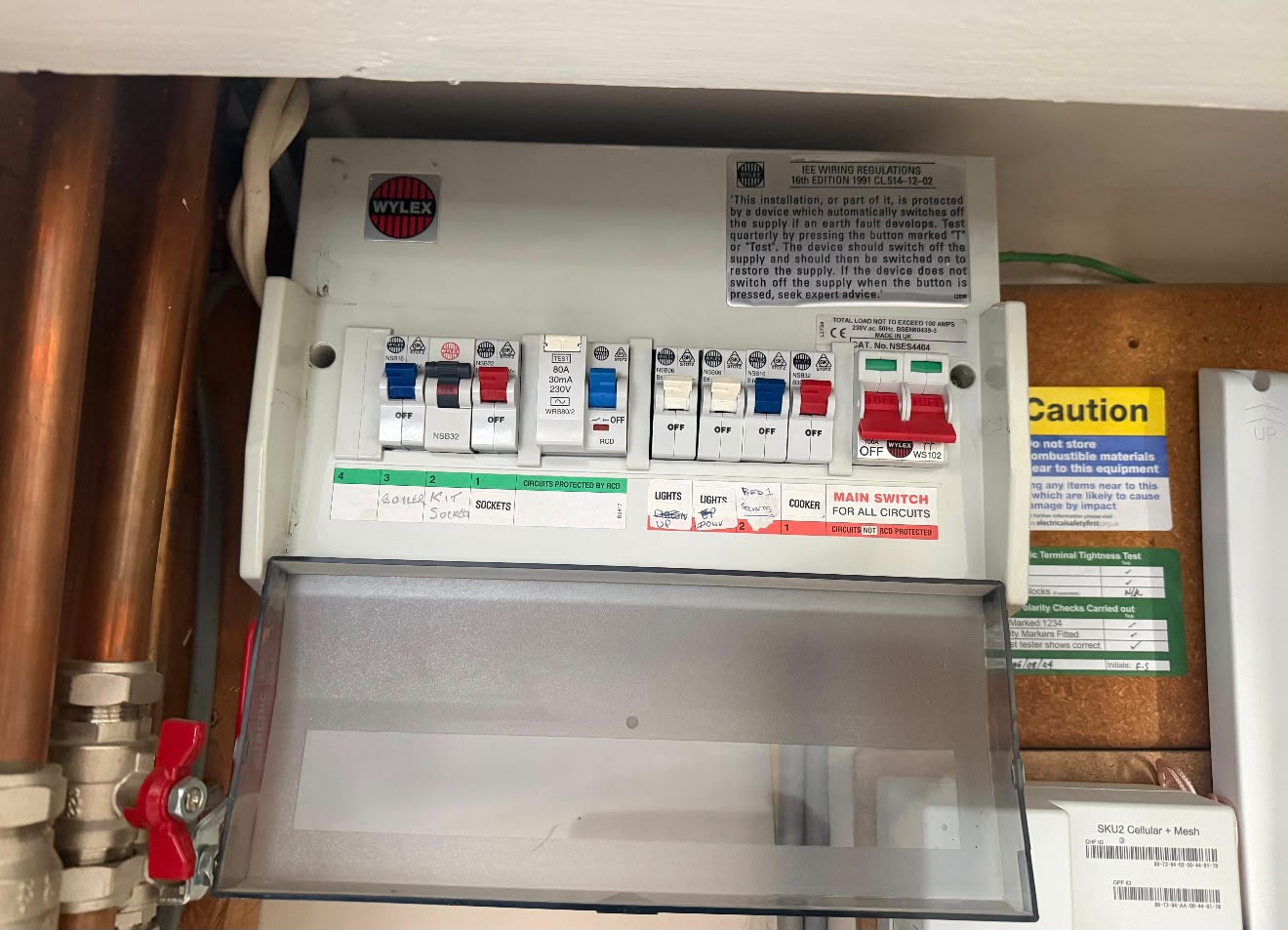
Plastic consumer units are extremely common and their presence alone does not mean that an installation is unsafe.
However, modern domestic consumer units are generally manufactured with metal, non-combustible enclosures. When carrying out an EICR, we regularly come across older plastic consumer units that are otherwise functioning correctly but where an upgrade may still be recommended as an improvement.
The overall condition, location, connections and any signs of overheating all need to be considered.
Your Circuits Do Not Have Individual RCBO Protection
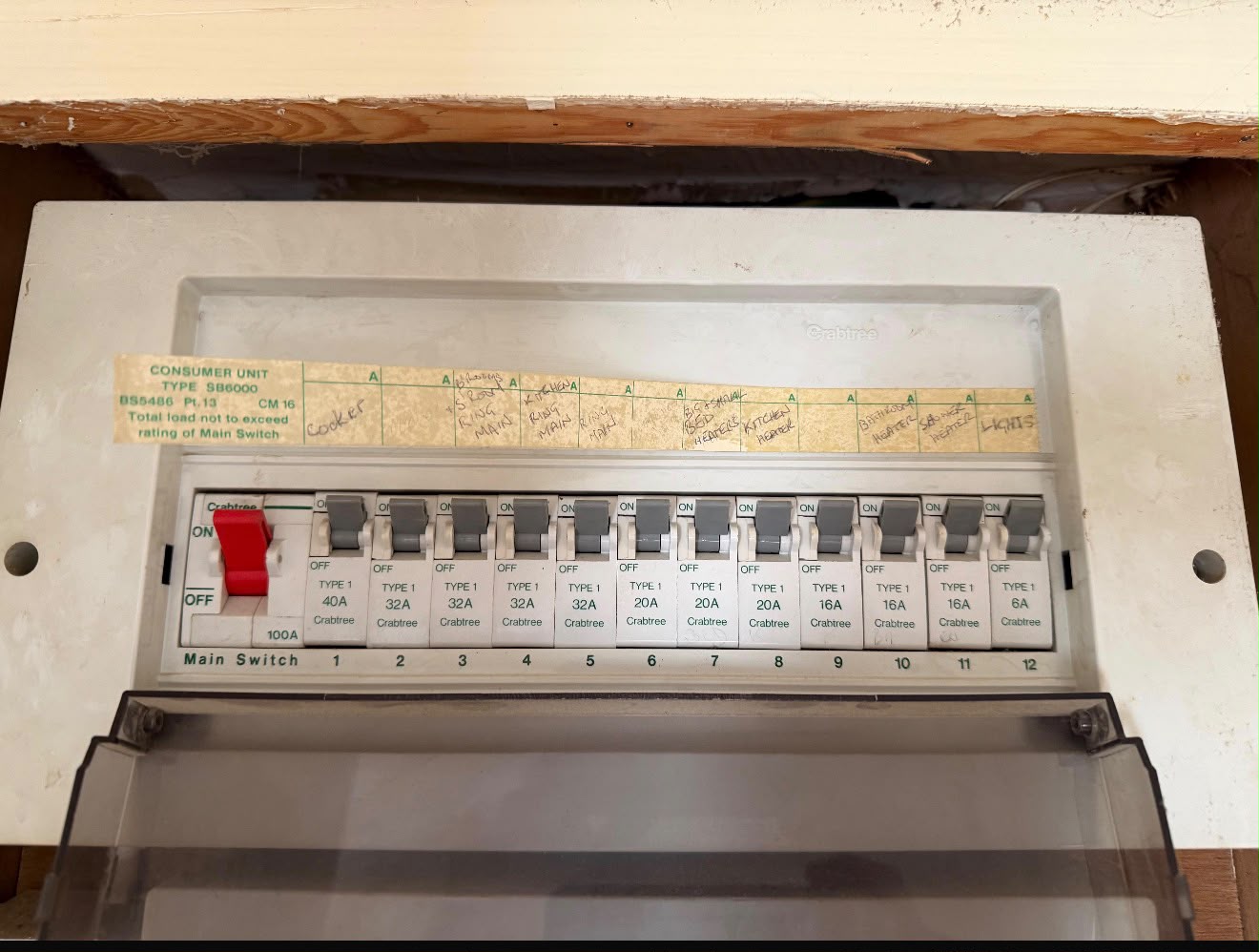
Many older consumer units use one or two RCDs to protect several circuits at the same time.
This can mean that a fault on one circuit causes a number of other circuits to lose power as well. For example, a fault on an outside socket could potentially disconnect several other circuits protected by the same RCD.
When we install a modern consumer unit, we generally favour individual Type A RCBO protection for each circuit.
An RCBO combines overcurrent protection and residual current protection in one device. This means that if a fault develops, normally only the affected circuit is disconnected, making it easier to identify the problem and reducing disruption elsewhere in the property.
Your Consumer Unit Does Not Have Surge Protection
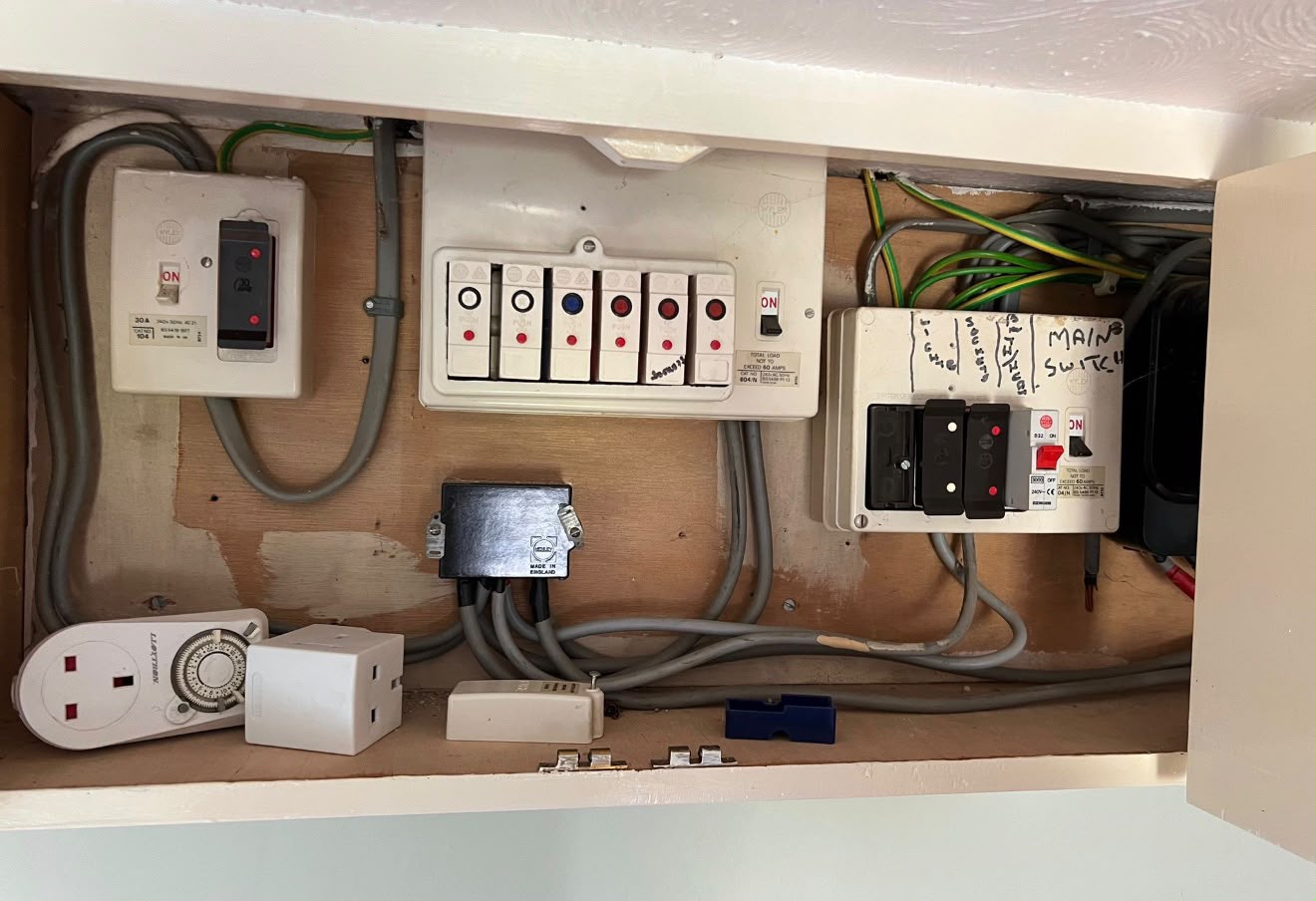
Modern homes contain far more electronic equipment than they did twenty or thirty years ago.
Televisions, computers, smart home equipment, heating controls, kitchen appliances and EV charging equipment all contain electronic components.
A modern consumer unit will commonly incorporate a Type 2 Surge Protection Device (SPD). An SPD helps protect the electrical installation and connected equipment against transient overvoltages that could otherwise damage sensitive electronics.
You Have Older RCD Protection
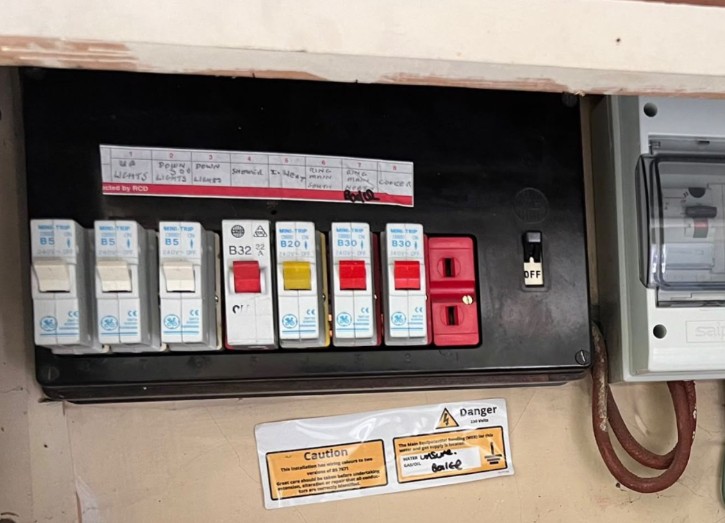
RCD technology has developed alongside the electrical equipment used within our homes.
Many older installations contain Type AC RCDs. Modern installations will commonly use Type A RCD or RCBO protection, which is better suited to many of the electronic loads found in today’s homes.
This does not mean that simply finding an older RCD automatically makes an installation dangerous. The installation needs to be properly assessed and tested before recommendations are made.
Your Consumer Unit Is Damaged or Showing Signs of Overheating
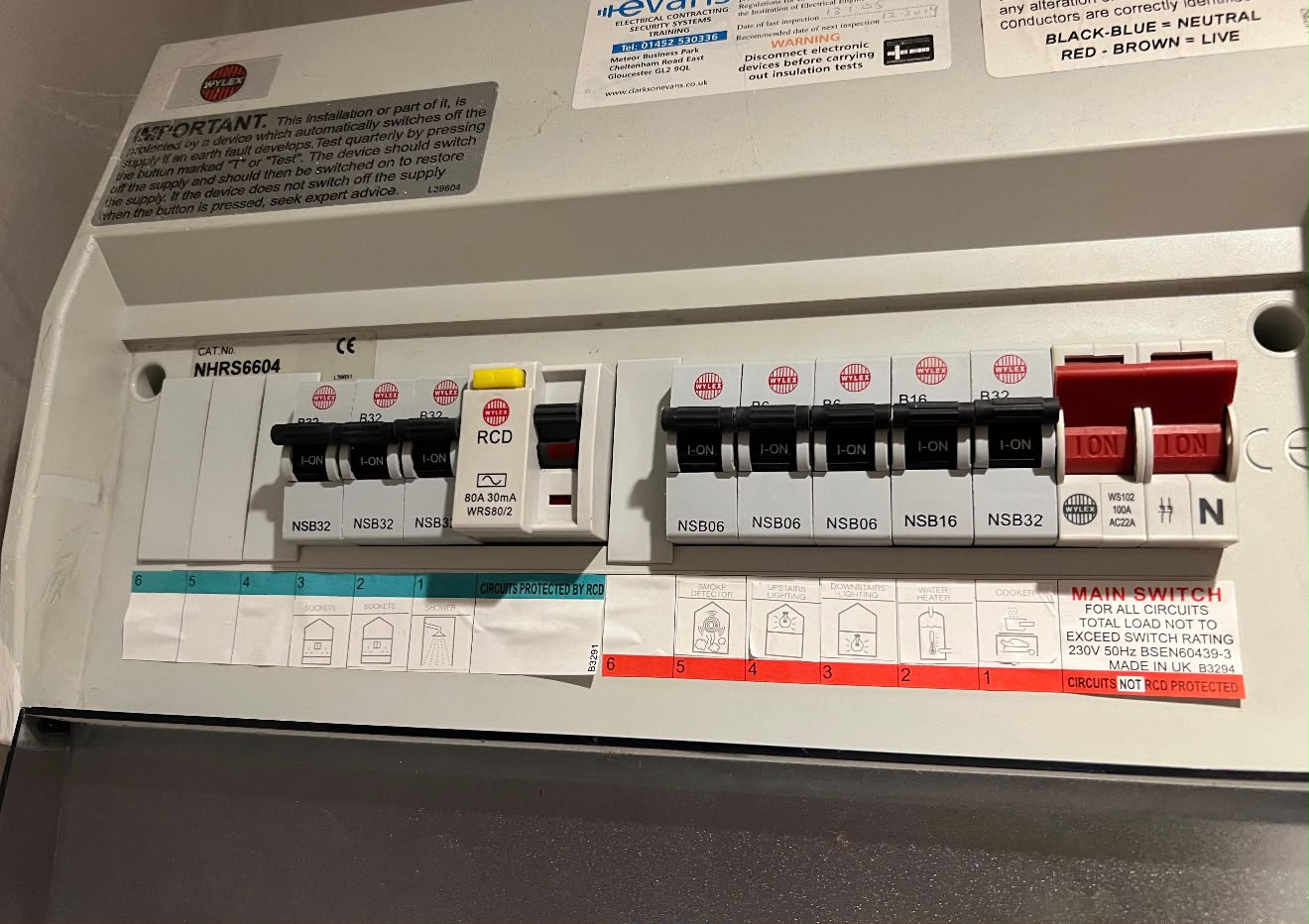
Damage, loose connections, scorching or signs of overheating around a consumer unit should never be ignored.
Electrical connections can deteriorate over time, and a high-resistance connection can generate considerable heat.
If you notice burning smells, visible scorching, discolouration or unusual heat around your consumer unit or fuse board, it should be inspected by a qualified electrician.
Your Consumer Unit No Longer Suits the Installation
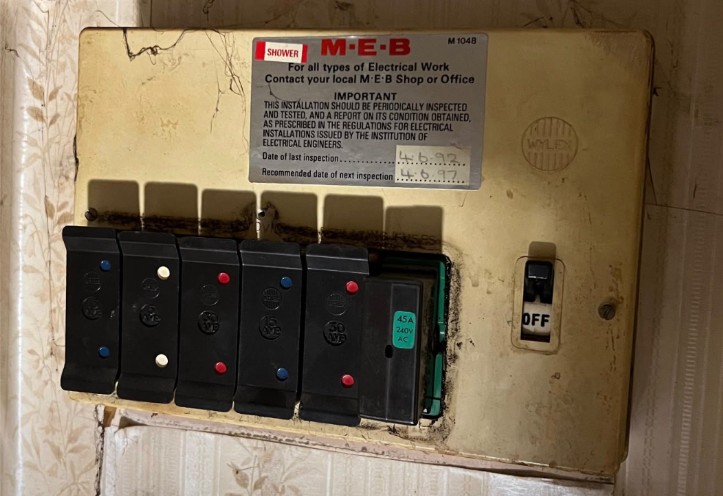
Another common reason for upgrading is simply that the existing consumer unit no longer suits the property.
Over the years, additional circuits may have been added for extensions, garden buildings, electric showers, EV chargers, outside power or kitchen alterations.
An older board may have limited spare capacity, outdated protective devices or a mixture of equipment added at different times.
Replacing the consumer unit can provide an opportunity to bring the protective arrangements up to a more modern standard and make the installation easier to manage going forward.
Does an Old Consumer Unit Mean I Need a Rewire?
Not necessarily.
This is a common concern, but an old fuse board does not automatically mean that all of the property needs a rewire.
The condition of the cables, accessories, earthing, bonding and protective devices all need to be assessed individually.
An EICR is often the best place to start if you are unsure about the condition of your electrical installation.
What Happens During a Consumer Unit Upgrade?
Before replacing a consumer unit, testing is normally carried out to assess the existing installation and identify any faults that could cause problems with the new protective devices.
The old consumer unit is then removed and replaced with a new unit, typically incorporating Type A RCBO protection and Type 2 surge protection.
The installation is then fully tested, certified and, where required, notified to Building Control.
Consumer Unit Upgrades in Banbury and Brackley
At L J Mullan Electrical, we carry out consumer unit upgrades, EICRs and electrical testing throughout Banbury, Brackley and the surrounding areas.
If you are unsure whether your existing consumer unit or fuse board is outdated, we can inspect the installation and advise whether replacement is necessary or simply something worth considering as a future improvement.
An older consumer unit is not automatically unsafe, but upgrading can often provide better protection, easier fault finding and a more modern electrical installation for your home.
If you'd like to enquire about a consumer unit upgrade in Banbury & Brackley, get in touch via our contact form or give us a call today